
Travel to London: Getting There, Easy & Affordable!
Travel By Flight, Eurostar, Coach/Bus.
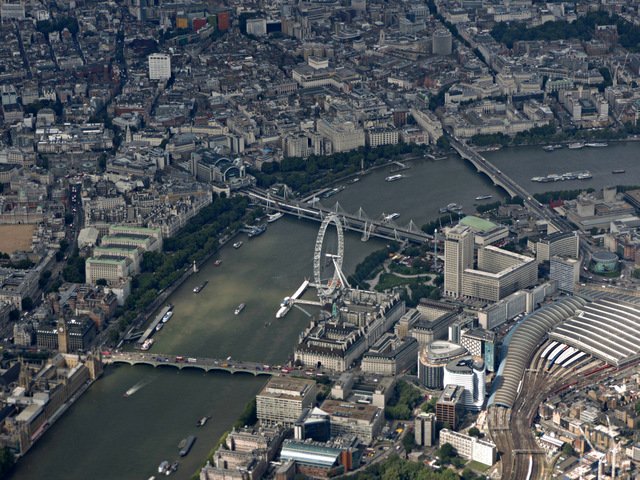
Of all the world’s great cities, few hold the magnetic pull of London. A sprawling tapestry of ancient history and cutting-edge culture, the UK’s capital is a perennial dream destination for global travellers. Fortunately, reaching this vibrant city on the Thames is a well-trodden path, with a network of options designed to connect every corner of the planet to its centre.
For the modern explorer, the journey to London typically unfolds through three primary gateways: soaring through the skies into one of its major international airports, gliding into the heart of the city via high-speed rail from the European continent, or, for a more classic adventure, sailing across the English Channel by sea. Understanding these common routes—each with its own unique experience, advantages, and considerations—is the first step in planning your perfect London arrival.
Travel to London: The Major Gateways: London’s Primary Airports.
- Heathrow (LHR): The undisputed king, Heathrow is the UK’s largest and busiest airport. It’s the primary hub for global long-haul flights.
- Gatwick (LGW): London’s second busiest airport, Gatwick is a major hub for point-to-point flights.
- Stansted (STN): This is the primary operational base for Europe’s largest low-cost airline, Ryanair, along with other budget carriers.
- Luton (LTN): Luton is another hub for low-cost airlines like easyjet and Wizz Air.
- London City (LCY): London City, in contrast, is the most central and business-oriented airport, favoured by short-haul business travellers
To find your Favorite Airline, or a specific airline into London: https://goexplorelondon.com/arriving-london-which-airport/
Travel to London: A Tale of Two Journeys: Arrival Times from East and West
The timing of your arrival in London is almost perfectly choreographed by global wind patterns and flight paths, creating two distinct experiences depending on your direction of travel.
Arriving from the West (The Americas)
Flights departing from North and South America in the evening harness the power of the jet stream, creating a unique overnight experience. A typical flight from New York might take just under 7 hours, while one from Los Angeles can take around 10-11 hours.
- The “Red-Eye” Experience: These are classic overnight flights. You board in the evening, attempt to sleep (or watch movies) through the night, and land in London the following morning, typically between 6:00 AM and 11:00 AM.
- The Strategic Advantage: This schedule is designed to maximise a full day in London. After clearing customs and travelling into the city, it’s often still only midday, allowing you to drop your bags and start exploring, helping to combat jet lag by forcing you to adapt to the local time zone immediately.
Arriving from the East (Asia, Middle East, Australasia)
Travellers from the East have a completely different flight experience. Journeys from cities like Singapore, Dubai, or Sydney are much longer (often 12-16 hours) and cross multiple time zones.
- The Day-and-Night Journey: Flights from the East and South-East often depart in the morning or late evening local time. Due to the time difference, you can spend an entire day in the air, chasing the sun westward.
- Afternoon and Evening Arrivals: These flights almost universally land in London during the afternoon or early evening, typically between 1:00 PM and 9:00 PM. For instance, a flight from Singapore often lands around 6:00 PM, while one from Sydney might arrive in the early afternoon.
- The Transition: This arrival time means your first experience of London is often the city winding down or lit up for the evening. It’s a smoother, more gentle introduction, perfect for travelling to your accommodation, having a meal, and settling in before starting fresh the next morning.
In essence, whether you are crossing the Atlantic under the cover of night or traversing continents from the East, the global aviation network is finely tuned to deliver you to London’s doorstep, setting the stage for your arrival in one of the world’s most dynamic cities.
Ready to find your flight to London? Your journey is just a search away.
This site uses affiliate links. If you make a purchase, we may earn a small commission at no extra cost to you. This allows us to keep providing free London travel advice.
Use the widget below to check fares and book your trip today!
Travel to London: Arrival In London
Wherever you are in the world, onward travel from airports is daunting, particularly in London, anyone can get disorientated just thinking about London’s Airports. For guidance on what to do refer to my pages, for the airport/terminal you are arriving at:.
- HEATHROW TERMINALS 2,3,4 & 5: https://goexplorelondon.com/best-way-from-heathrow-to-london/
- GATWICK TERMINALS NORTH & SOUTH: https://goexplorelondon.com/best-way-from-gatwick-airport-to-london-2/
- STANSTED, CITY, LUTON & SOUTHEND AIRPORTS: https://goexplorelondon.com/best-way-from-stansted-city-luton-southend/
Travel to London: Eurostar to St. Pancras International from Europe.
Getting to London by Eurostar — the quick picture
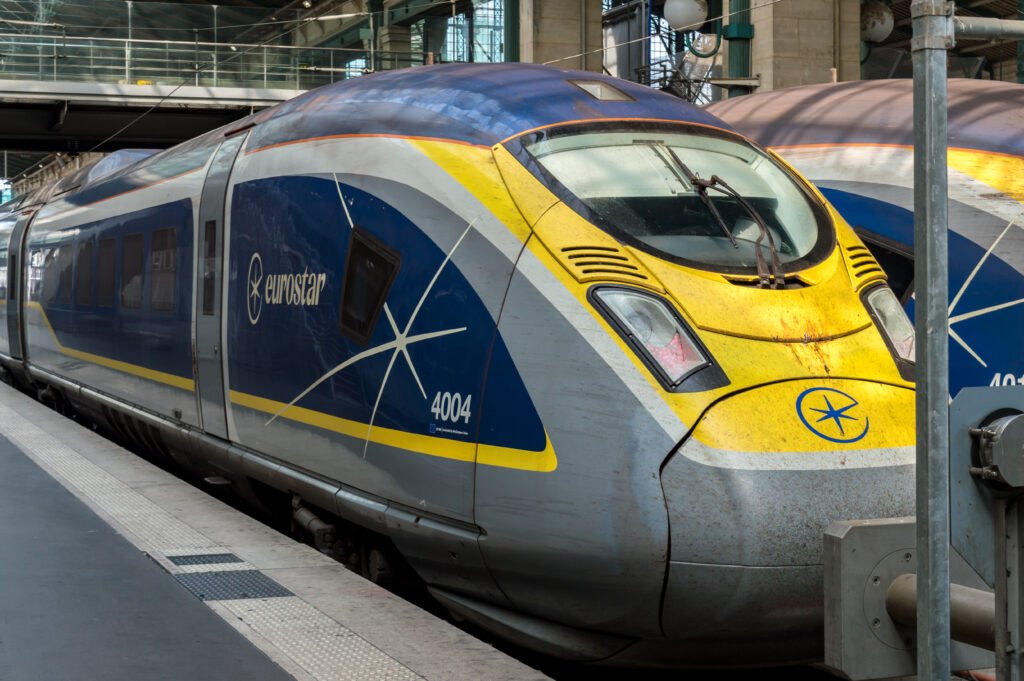
Taking the Eurostar to London is one of the most straightforward and green ways to cross the English Channel. Trains arrive at London St Pancras International (central London), and depart from major continental stations such as Paris Gare du Nord, Brussels Midi/Zuid, and Amsterdam Centraal — with regular daily services that make city-centre to city-centre travel fast and comfortable.
Where you board and what to expect
On the continent you’ll typically board at a major national hub (Gare du Nord, Bruxelles-Midi/Brussel-Zuid, Amsterdam Centraal). At St Pancras you’ll clear UK border checks before boarding (or sometimes on arrival depending on the service), so arrive at the station around 45–60 minutes before departure for peace of mind. Eurostar offers three travel classes (Standard, Standard Premier, Premier) and facilities geared to travellers — power sockets, luggage space and café options — making it handy for both short city breaks and longer business trips.
Travel to London-Considering Eurostar
Take a look at the what’s on offer from Paris/Brussels/Amsterdam:
Use the widget to check fares and book your trip today
This post uses affiliate links. If you make a purchase, we may earn a small commission at no extra cost to you. This allows us to keep providing free London travel advice.
Travel to London: Onward Travel from Eurostar Terminus:
The Eurostar terminal at London St. Pancras is located in the heart of the city, within Transport for London (TfL) Zone 1. This prime central location offers unparalleled connectivity, placing every form of London’s public transport at your fingertips. For a comprehensive guide to navigating the extensive network—from the Underground and buses to trams, trains, and more—please refer to the detailed overview on my blog: https://goexplorelondon.com/what-are-londons-types-of-public-transport/
Travel to London: Coach Services from Europe.
Coach (long-distance bus) travel is a cost-effective and environmentally friendly way to reach London from mainland Europe. It connects many major European cities directly to the UK capital, offering a no-frills alternative to trains and planes.
Main Operators:
There are two primary operators dominating the market:
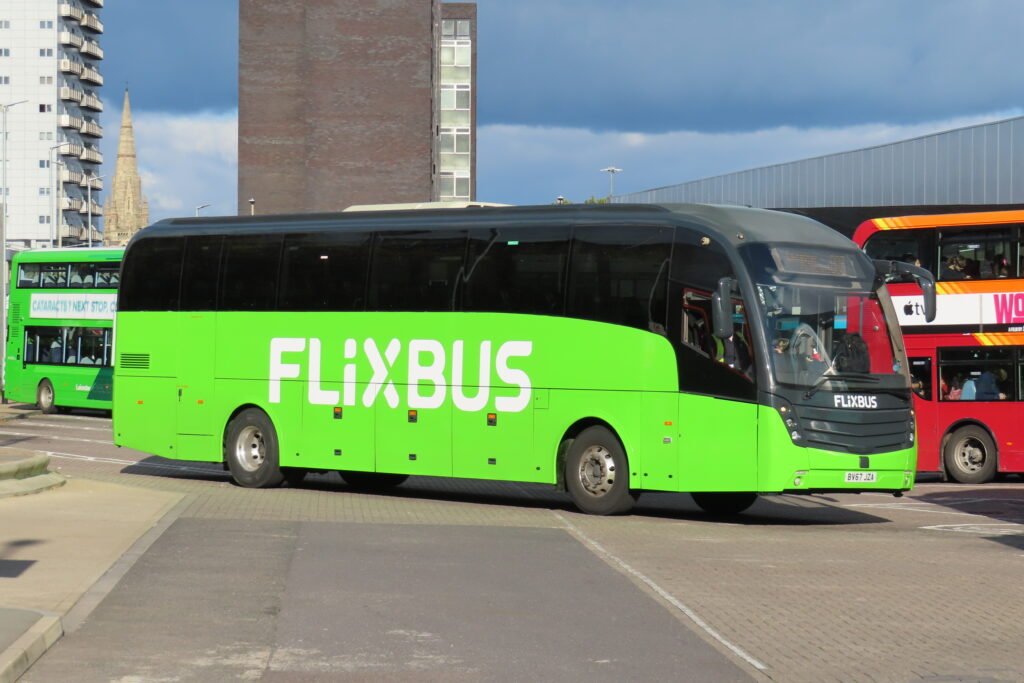
- FlixBus: The largest European coach network. They have absorbed many former competitors and offer the most extensive route network from hundreds of European cities to London.
- RegioJet (Czech-based): A strong competitor on key routes from Central and Eastern Europe (e.g., Prague, Budapest, Bratislava, Warsaw) to London. Known for excellent onboard service (free hot drinks, entertainment system).
Note: National Express, the UK’s main domestic coach operator, primarily handles connections from UK ports and cities, not direct international routes from mainland Europe.
Sea or Channel Tunnel Crossing:
- Included in the Ticket: The cost of the Channel crossing is always included in your coach ticket price.
- Mode of Crossing: The journey almost always uses a ferry (most commonly P&O or DFDS on the Calais-Dover route). Coaches drive onto the ferry, and passengers can disembark to use the ship’s facilities during the 90-minute crossing.
- Chunnel: It is extremely rare for standard coaches to use the Eurotunnel Le Shuttle. The ferry is the standard and most economical method for coach operators.
Cost Effectiveness:
- Strengths: This is the most budget-friendly public transport option by a significant margin. Fares are consistently lower than train or plane tickets, especially when booked in advance.
- Typical Prices: Standard one-way fares from Western European cities (e.g., Paris, Amsterdam, Brussels) can start as low as €20-€40. From further east (e.g., Prague, Budapest), fares might range from €50-€80.
- Consideration: The low monetary cost is balanced by a much longer travel time.
Travel to London: Journey Times:
- From nearby cities: Paris/Brussels to London: ~7-9 hours. Amsterdam to London: ~10-12 hours.
- From Central Europe: Prague/Berlin to London: ~18-22 hours.
- From Eastern Europe: Budapest/Warsaw to London: 24+ hours (often overnight).
- Overnight Journeys: Most longer routes are designed as overnight services, saving on a night’s accommodation.
On a Budget? Check out the affordable prices below:-
Student & Other Discounts:
- FlixBus: Offers a FlixBus Youth Discount for passengers aged 15-26, providing 10-20% off standard fares. They also have regular seasonal sales and an “Early Bird” discount for advanced booking.
- RegioJet: Has a “Student Advantage” discount, typically offering 25% off for students under 26 with valid ISIC card or similar student ID.
Travel To London – Onward Travel from London Victoria Coach Station.
From London Victoria Coach Station, you are within a 7-15 minute walk , depending on ability and luggage, of the comprehensive Victoria Station transport interchange. For above-ground travel, numerous bus routes outside connect you to Waterloo, Paddington, London Bridge, and the West End. For speed across central London, the Victoria Underground line is your fastest option.
Buses From Outside Victoria Coach Station:
- Route 11: To Liverpool Street Station via Westminster, Trafalgar Square, and St. Paul’s.
- Routes 211 & C1: To Paddington Station and Marylebone via Sloane Square.
- Route 170: To London Waterloo Station via Westminster Bridge Road.
- Routes 2 & 507: To London Bridge and the City via Parliament Square and Embankment.
- Routes 16 & 436: To Edgware, Willesden, and Marylebone via Marble Arch.
- Payment: Use contactless (card/device), Oyster, or a purchased ticket. Fare is included in the daily cap.
Travel to London: From anywhere in the UK by Train.
Travelling to London by train from anywhere in the UK will bring you into one of these mainline termini, all within TfL Zone 1, Central London. For Routes ,Times and Tickets, click on button below:-
Travel to London: From anywhere in the UK by Coach.
Travelling to London by Coach from anywhere in the UK will bring you into London Victoria Coach Station, the main operator being National Express. Some routes have intermediate stops in outer areas of London.
Other Posts Related to this article:-
- What are London’s Types of Public Transport?
- Best Way from Gatwick Airport to London.
- UK Visa, Currency & Payment Methods Guide
